
H2S GAS ELIMINATION · FOG · SLUDGE
Supercharge the bacteria
already in your system.
Eliminate H2S gas. Clear FOG.
Hydrogen sulfide (H2S) gas and fats, oils and grease (FOG) are the two problems operators call us about. Both are what bacteria do when they are starved of oxygen. Give those same bacteria usable oxygen and they stop making H2S and start eating the FOG and sludge. DRP Accelerator is not a bacteria or an enzyme: it is an inorganic compound that supplies that oxygen, delivered as a monthly program we run and measure for municipal, agricultural and oil and gas systems.
ONE BIOLOGY. FOUR KINDS OF SYSTEM.
Start with your system.
The biology is the same.
Municipal systems and agricultural lagoons are where we do most of our work. Oil and gas is the same biology on contaminated ground. The home septic product is the same biology in a smaller bottle.
Municipal
Collection systems, lift stations, force mains, lagoons and plants. Stop H2S gas from forming, clear the FOG, shrink the sludge, and skip the bond measure.
Agriculture
Break down the manure sludge that clogs your pumps and drives the odor complaints. Built for dairy, feedlot and livestock lagoons.
Oil and gas
Hydrocarbon-contaminated soil around wellheads, tanks and pump skids, broken down in place instead of dug up and hauled away.
Residential
Our home septic product. The same biology, in a bottle sized for one tank.
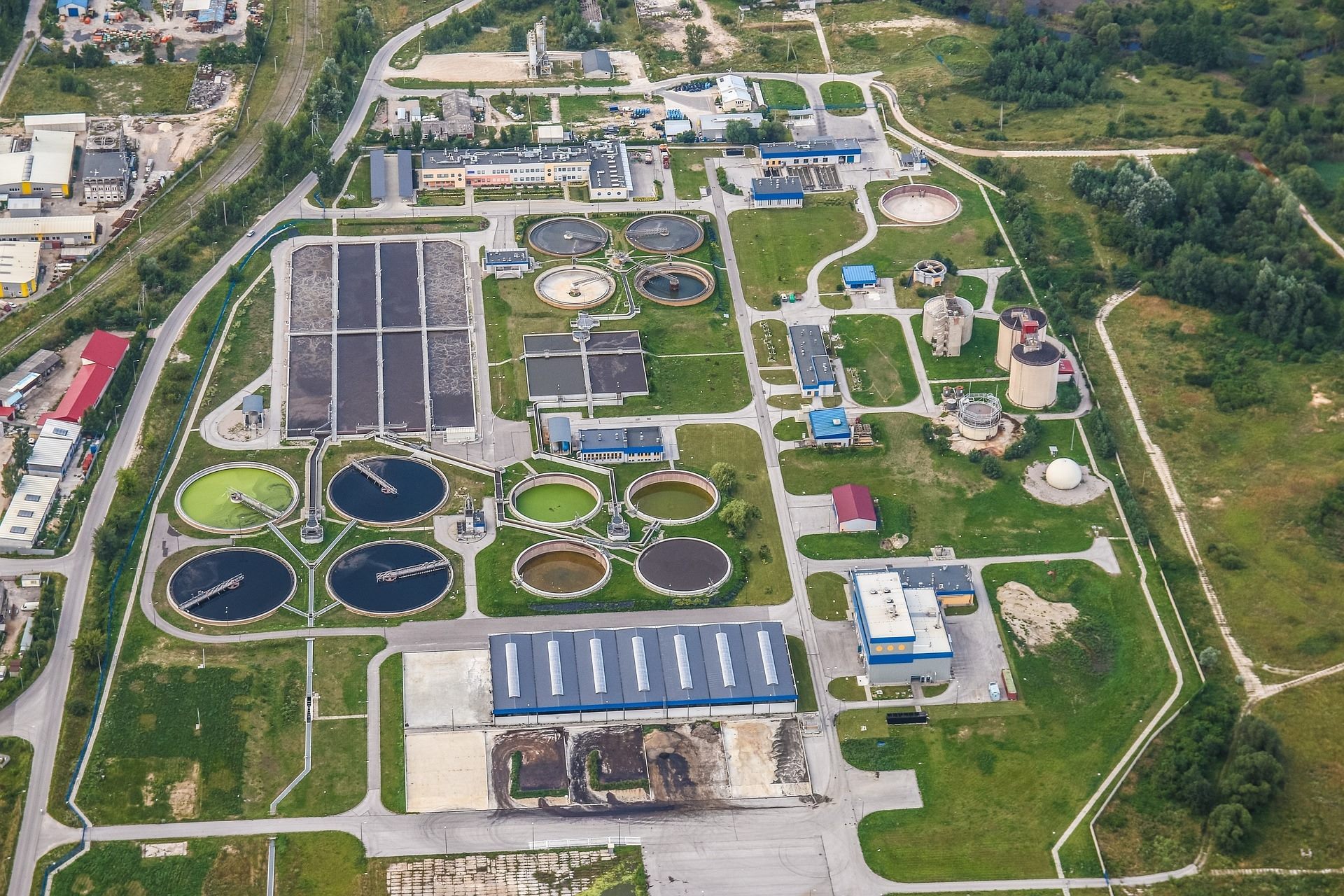
A SERVICE, NOT A CHEMICAL
We run the program.
You run the plant.
DRP Accelerator is the product: an inorganic compound that carries usable oxygen to the bacteria already in your water, so they stop making hydrogen sulfide and start digesting grease and sludge. The program is what you buy. We review your data, calculate a dose for your flow and volume, pick the delivery point on a site survey, set up the tank and the drip, monitor it, and test the water as we go. Your operators keep doing their jobs.
Dosed for your flow, not off a chart
We size dosage and frequency to your flow rate, volume and waste stream. A lift station and a large lagoon get different programs.
Measured from the first dose
We set the baseline before treatment starts, then test water-quality parameters on a schedule. You see what changed, in your own numbers.
HOW THE PROGRAM RUNS
Four steps to start.
Then a monthly rhythm.
It begins with your data and settles into a schedule your operators barely notice.
Review your data
Send us your current wastewater data and the problem you want gone. We work out flow rate and volume from there.
Calculate the dose
We set dosage and frequency for your system, then survey the site to pick the best delivery point.
Dose monthly
One monthly price. We set up the tank and the drip, monitor it remotely and replenish it on schedule while your team keeps running the plant.
Test and report
We keep testing water-quality parameters against your baseline and walk you through what moved.
FIELD RESULTS
Run on a working plant.
Run on working lagoons.
Measured, not promised.
At a municipal lagoon in central California, sludge depth across eight fixed points fell 15.2 percent in twelve weeks. At a 6,000-cow Utah dairy, a third-party lab watched BOD fall from 3,660 to 161 mg/L over four months while the pumps went from clogging to running. At a Texas lift station, hydrogen sulfide went from 280 ppm to zero and held there for eight days. A university goat lagoon was pumped out instead of dredged. Every write-up carries its method and its limits.
Municipal lagoon, California15.2 percent less sludge depth in twelve weeks, measured at eight GPS pointsCentral Utah dairyBOD 3,660 to 161 mg/L in third-party lab results, pumps running within three monthsTexas lift stationHydrogen sulfide from 280 ppm to zero, held eight consecutive daysHow we test and what we measureSTRAIGHT ANSWERS
The questions buyers ask
before they call.
All the questions, answered Ask about your system Is DRP Accelerator a bacteria or enzyme additive?+
No. We add no bacteria and no enzymes. DRP Accelerator is an inorganic compound that supplies usable oxygen to the bacteria already living in your wastewater. Every system has the bacteria it needs; what they are starving for is oxygen. Give it to them and they stop making hydrogen sulfide and start digesting the grease and sludge.
How do you eliminate H2S gas instead of scrubbing it?+
Hydrogen sulfide forms when bacteria run out of dissolved oxygen and strip it from sulfate instead. We supply usable oxygen upstream, so the bacteria never touch the sulfate and the sulfide that becomes H2S is never made: the gas is eliminated at the source. Iron salts, nitrate products and scrubbers deal with the gas after it exists. We keep it from existing.
Does it hurt pumps, pipes or equipment?+
It helps them. Hydrogen sulfide meets a wet surface and becomes sulfuric acid, which is what eats concrete, steel, motors and wiring; preventing the gas prevents the acid. The accelerator is not an oxidizer and does not attack metals. At a Utah dairy the pump amperage dropped once the grease in the wet well broke down, because it was pumping thinner water.
What does it leave downstream?+
Nothing. The accelerator is fully consumed as the bacteria use its oxygen, so there is no trace of it in the water that reaches the plant. Iron-based products leave iron that has to be removed later; nitrogen-based products add nitrogen downstream. Ours adds oxygen, and the bacteria use it up.
What kinds of wastewater systems do you treat?+
Any biological system carrying organic sludge, odor or hydrogen sulfide: municipal collection systems, lift stations and force mains, treatment plants and wastewater lagoons, farm animal waste lagoons, wash-down slurries and pumping stations, and hydrocarbon-contaminated soil at oil and gas sites. The same accelerator works in aerobic and anaerobic conditions. Home septic tanks use our retail product.
What is included in the program?+
Everything from the first look to the monthly dose. We review your current wastewater data, work out flow rate and volume, calculate dosage and frequency, survey the site to pick the delivery point, dose on a monthly schedule and keep testing water-quality parameters. One monthly price covers it.
Does this replace dredging, pumping or repairs?+
No. We break down organic sludge and the odor that comes with it. We do nothing for sand, grit or broken equipment, and a lagoon that needs a new liner still needs one. What the program is built to do is work on the organic sludge behind those projects, and measure the change.
How much does a program cost?+
It is a monthly program priced per system. The price depends on your flow, volume, dose and delivery, so we quote after the review, not before. Put the number next to the hauling invoice, the dredging bid or the bond measure it is built to compete with.